El past perfect es un tiempo verbal inglés que se usa cuando hablamos sobre el pasado y queremos hacer referencia a algo que sucedió antes de un punto concreto en el pasado. En español se puede traducir por el pluscuamperfecto (había comido) o por el pretérito perfecto compuesto (hube comido), según la frase.
¿Cuándo debemos usar el Past Perfect?
Para entender su uso, observa un ejemplo claro. Considera las dos oraciones siguientes, donde podrás ver que son acciones acabadas en el pasado y por eso están en el pasado simple:
- John went out yesterday morning at 8 am. (John salió ayer a las 8 de la mañana).
- Kevin went to visit John at 8.20 am. (Kevin fue a visitar a John a las 8:20).
Si queremos combinar las dos oraciones para dejar las dos acciones claras, podemos usar el past perfect: Kevin went to visit John at 8:20 am but John had already gone out. (Kevin fue a visitar a John a las 8:20 pero éste ya había salido).
También se puede usar con el reported speech, cuando necesitas reportar algo que otra persona ha dicho, creído o pensado. Por ejemplo:
- He said my father had asked for a loan at the bank. (El dijo que mi padre había solicitado un préstamo en el banco).
- Peter just told me he had already bought the tickets for the concert. (Peter me acaba de contar que ya había comprado los tiquetes para el concierto).
¿Cómo usar el REPORTED SPEECH en PAST PERFECT?
Estructura gramatical
Es fundamental dominar la forma en la que se construye este tiempo verbal. Aquí tienes las estructuras básicas:
1. Afirmativa
En afirmativo, el past perfect se ayuda de had y el pasado participio del verbo que da sentido a la oración. Se suele usar la contracción ‘d. La estructura es: Subject + had + past participle.
| Frase | Traducción |
|---|---|
| He’d proven himself. | Él había demostrado lo que valía. |
| She had had an energetic drink. | Ella había tomado una bebida energética. |
2. Negativa
El pasado perfecto negativo se ayuda del verbo auxiliar have en pasado simple y el past participle del verbo acompañado de un ‘not’ entre medias. Se suele usar la contracción ‘hadn’t’. Estructura: Subject + had + not + past participle.
- I hadn’t had the chance. (No había tenido la oportunidad).
- It hadn’t snowed for a while before that blizzard arrived. (No había nevado en un tiempo antes de que llegase esa tormenta de nieve).
3. Interrogativa
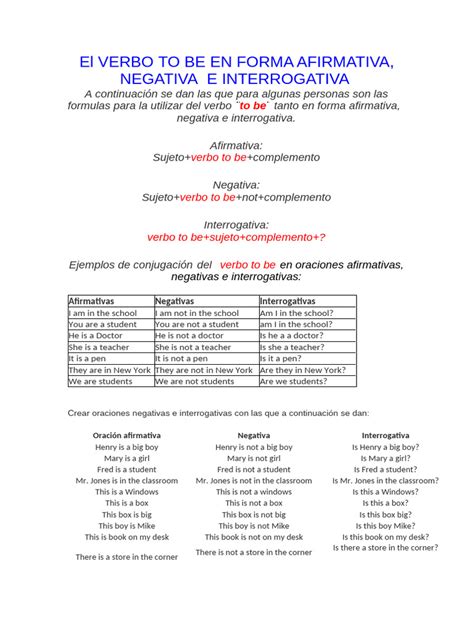
La estructura de la forma interrogativa del pasado perfecto inglés es: Had + subject + past participle.
- Had you arrived before it happened? (¿Habías llegado antes de que pasase?).
- Had he studied for the test? (¿Había estudiado para el exámen?).
- Had he forgotten? (¿Se le había olvidado?).
Ejercicios prácticos
A continuación, puedes practicar completando las oraciones con los verbos en el past perfect simple en afirmativo o negativo:
- She (finish) her exams, so she went on holiday to Miami. -> She'd finished her exams, so she went on holiday to Miami.
- When they got to the airport, she realized they (forget) their suitcases. -> When they got to the airport, she realized they'd forgotten their suitcases.
- I (never hear) of him before she bought his new CD. -> I'd never heard of him before she bought his new CD.
- My cousin Fred went to the cinema because he (not see) that film. -> My cousin Fred went to the cinema because he'd not seen that film.
- By the time she arrived we (already eat) the birthday cake. -> By the time she arrived we'd already eaten the birthday cake.
- When her parents got home, she (go) to bed. -> When her parents got home, she'd gone to bed.
- My teacher knew that I (not study) the lesson. -> My teacher knew that I'd not studied the lesson.
- (She live) in Barcelona before she settled in Madrid? -> Had she lived in Barcelona before she settled in Madrid?
- (You not make) the hotel reservation before you arrived? -> Had you not made the hotel reservation before you arrived?
Recuerda siempre prestar atención al contexto temporal. Por ejemplo: When I arrived, she left se convierte en When I arrived, she had left. Ten en cuenta que la contracción ‘d puede ser had o would, por lo que siempre debes analizar el resto de la oración, como en: I noticed that he‘d eaten my cake.
tags: #ejercicios #de #past #perfect