La conjugación de verbos en inglés es un pilar fundamental para dominar el idioma. Comprender cómo se transforma un verbo según el tiempo y el modo es esencial para una comunicación efectiva. En este artículo, nos centraremos en la conjugación del verbo "to bleed", prestando especial atención al Past Simple, pero también explorando otros tiempos y modos relevantes.
Vatefaireconjuguer es un conjugador en línea gratuito creado por Gymglish. Gymglish, fundada en 2004, crea cursos de idiomas en línea personalizados y divertidos. Conjuga todos los verbos ingleses (de todos los grupos) en todos los tiempos y modos: Indicative, Present, Past perfect, Present perfect progressive, Future perfect continuous, Subjunctive, Conditional, Infinitive, Imperative, etc. Para mejorar tu ortografía, Gymglish también ofrece cursos de inglés en línea y te da acceso a muchas reglas gramaticales para aprender el idioma y también consejos de ortografía y conjugación. No olvides consultar nuestra lista de verbos irregulares y verbos modales.
El verbo "to bleed"
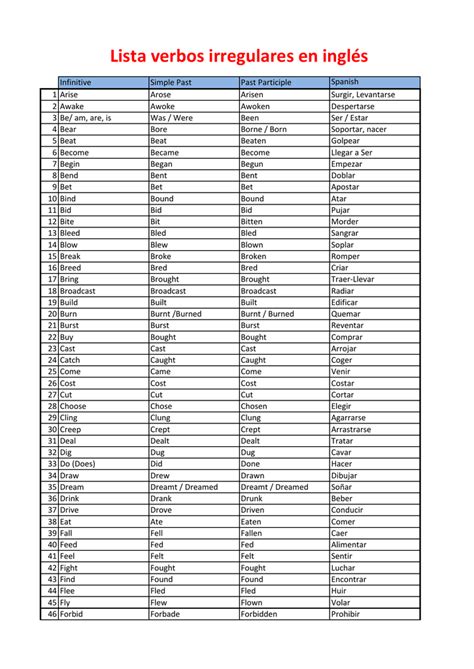
El verbo "to bleed" es un verbo irregular en inglés, lo que significa que no sigue las reglas estándar de conjugación para formar su pasado simple y participio pasado. Su significado principal es "sangrar".
Conjugación en Past Simple (pasado simple)
El Past Simple, también conocido como simple past, se utiliza para hablar de acciones completadas en un momento específico en el pasado. Para el verbo "to bleed", su forma en pasado simple es bled.
Bleed
Ejemplos en Past Simple:
- I bled profusely after the accident. (Sangré profusamente después del accidente.)
- You bled a little when you cut your finger. (Sangraste un poco cuando te cortaste el dedo.)
- He bled for hours before they found him. (Él sangró durante horas antes de que lo encontraran.)
- She bled from the wound on her arm. (Ella sangró por la herida en su brazo.)
- It bled through the bandage. (Sangró a través del vendaje.)
- We bled out all the old oil. (Vaciamos todo el aceite viejo.)
- They bled money from the company for years. (Ellos desangraron dinero de la compañía durante años.)
Conjugación en otros tiempos indicativos
Simple Present (presente simple)
El simple present se utiliza para describir hábitos, verdades generales o acciones que ocurren regularmente.
- 1st p. sg. I bleed
- 2nd p. sg. you bleed
- 3rd p. sg. he bleeds / she bleeds / it bleeds
- 1st p. pl. we bleed
- 2nd p. pl. you bleed
- 3rd p. pl. they bleed
Present Progressive (presente continuo)
El present progressive, también conocido como present continuous, se usa para acciones que están ocurriendo en el momento de hablar.
- 1st p. sg. I am bleeding
- 2nd p. sg. you are bleeding
- 3rd p. sg. he is bleeding / she is bleeding / it is bleeding
- 1st p. pl. we are bleeding
- 2nd p. pl. you are bleeding
- 3rd p. pl. they are bleeding
Past Progressive (pasado continuo)
El past progressive, o past continuous, describe acciones que estaban sucediendo en un momento específico en el pasado.
- 1st p. sg. I was bleeding
- 2nd p. sg. you were bleeding
- 3rd p. sg. he was bleeding / she was bleeding / it was bleeding
- 1st p. pl. we were bleeding
- 2nd p. pl. you were bleeding
- 3rd p. pl. they were bleeding
Present Perfect (presente perfecto simple)
El present perfect se utiliza para acciones que comenzaron en el pasado y continúan en el presente o tienen una conexión con el presente.
- 1st p. sg. I have bled
- 2nd p. sg. you have bled
- 3rd p. sg. he has bled / she has bled / it has bled
- 1st p. pl. we have bled
- 2nd p. pl. you have bled
- 3rd p. pl. they have bled
Present Perfect Progressive (presente perfecto continuo)
El present perfect progressive, o present perfect continuous, enfatiza la duración de una acción que comenzó en el pasado y continúa hasta el presente.
- 1st p. sg. I have been bleeding
- 2nd p. sg. you have been bleeding
- 3rd p. sg. he has been bleeding / she has been bleeding / it has been bleeding
- 1st p. pl. we have been bleeding
- 2nd p. pl. you have been bleeding
- 3rd p. pl. they have been bleeding
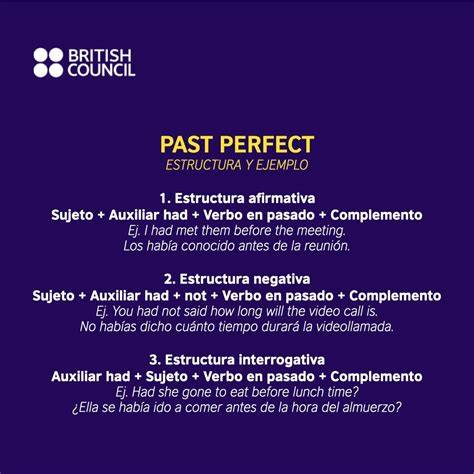
Past Perfect (pasado perfecto o pluscuamperfecto)
El past perfect, también conocido como pluperfect, se usa para describir una acción que ocurrió antes de otra acción en el pasado.
- 1st p. sg. I had bled
- 2nd p. sg. you had bled
- 3rd p. sg. he had bled / she had bled / it had bled
- 1st p. pl. we had bled
- 2nd p. pl. you had bled
- 3rd p. pl. they had bled
Past Perfect Progressive (pasado perfecto continuo)
El past perfect progressive, o pluperfect progressive, enfatiza la duración de una acción que estaba en curso antes de otro evento pasado.
- 1st p. sg. I had been bleeding
- 2nd p. sg. you had been bleeding
- 3rd p. sg. he had been bleeding / she had been bleeding / it had been bleeding
- 1st p. pl. we had been bleeding
- 2nd p. pl. you had been bleeding
- 3rd p. pl. they had been bleeding
Simple Future (futuro simple)
El simple future, o future simple, se usa para acciones que sucederán en el futuro.
- 1st p. sg. I will bleed
- 2nd p. sg. you will bleed
- 3rd p. sg. he will bleed / she will bleed / it will bleed
- 1st p. pl. we will bleed
- 2nd p. pl. you will bleed
- 3rd p. pl. they will bleed
Future Progressive (futuro continuo)
El future progressive, o future continuous, se usa para acciones que estarán en curso en un momento específico en el futuro.
- 1st p. sg. I will be bleeding
- 2nd p. sg. you will be bleeding
- 3rd p. sg. he will be bleeding / she will be bleeding / it will be bleeding
- 1st p. pl. we will be bleeding
- 2nd p. pl. you will be bleeding
- 3rd p. pl. they will be bleeding
Future Perfect (futuro perfecto)
El future perfect se utiliza para acciones que habrán sido completadas antes de un momento específico en el futuro.
- 1st p. sg. I will have bled
- 2nd p. sg. you will have bled
- 3rd p. sg. he will have bled / she will have bled / it will have bled
- 1st p. pl. we will have bled
- 2nd p. pl. you will have bled
- 3rd p. pl. they will have bled
Future Perfect Progressive (futuro perfecto continuo)
El future perfect progressive, o future perfect continuous, enfatiza la duración de una acción que estará en curso hasta un momento específico en el futuro.
- 1st p. sg. I will have been bleeding
- 2nd p. sg. you will have been bleeding
- 3rd p. sg. he will have been bleeding / she will have been bleeding / it will have been bleeding
- 1st p. pl. we will have been bleeding
- 2nd p. pl. you will have been bleeding
- 3rd p. pl. they will have been bleeding
Conjugación en el modo Condicional
Conditional Simple (condicional simple o presente)
El conditional simple, también llamado conditional present, se usa para hablar de situaciones hipotéticas o probables.
- 1st p. sg. I would bleed
- 2nd p. sg. you would bleed
- 3rd p. sg. he would bleed / she would bleed / it would bleed
- 1st p. pl. we would bleed
- 2nd p. pl. you would bleed
- 3rd p. pl. they would bleed
Conditional Progressive (condicional continuo)
El conditional progressive, o conditional continuous, se usa para acciones que estarían en curso bajo ciertas condiciones hipotéticas.
- 1st p. sg. I would be bleeding
- 2nd p. sg. you would be bleeding
- 3rd p. sg. he would be bleeding / she would be bleeding / it would be bleeding
- 1st p. pl. we would be bleeding
- 2nd p. pl. you would be bleeding
- 3rd p. pl. they would be bleeding
Bleed
Conditional Perfect (condicional perfecto)
El conditional perfect se usa para hablar de acciones hipotéticas que habrían sido completadas en el pasado.
- 1st p. sg. I would have bled
- 2nd p. sg. you would have bled
- 3rd p. sg. he would have bled / she would have bled / it would have bled
- 1st p. pl. we would have bled
- 2nd p. pl. you would have bled
- 3rd p. pl. they would have bled
Conditional Perfect Progressive (condicional perfecto continuo)
El conditional perfect progressive, o conditional perfect continuous, se usa para enfatizar la duración de una acción hipotética que habría estado en curso en el pasado.
- 1st p. sg. I would have been bleeding
- 2nd p. sg. you would have been bleeding
- 3rd p. sg. he would have been bleeding / she would have been bleeding / it would have been bleeding
- 1st p. pl. we would have been bleeding
- 2nd p. pl. you would have been bleeding
- 3rd p. pl. they would have been bleeding
Imperative (imperativo)
El modo imperativo se usa para dar órdenes o instrucciones.
- 2nd p. sg. bleed
- 1st p. pl. let's bleed
- 2nd p. pl. bleed