Los pimientos de piquillo rellenos de bacalao son un plato icónico en la gastronomía española, especialmente apreciado en regiones como el País Vasco, Navarra y La Rioja. Esta receta combina la dulzura de los pimientos con la riqueza del bacalao, creando una experiencia culinaria inolvidable. Si bien existen diversas variantes, la esencia de este plato reside en la calidad de sus ingredientes y la delicadeza de su preparación.
La Clave: El Bacalao y su Preparación
La calidad del bacalao es fundamental para el éxito de esta receta. Es imprescindible utilizar bacalao de la mejor calidad. Existen infinidad de maneras de comer y cocinar el bacalao. En combinación con los pimientos de piquillo es una de las más deliciosas por el contraste de sabores que disfrutamos en cada bocado. El bacalao es un pescado blanco que podemos encontrar en salazón, en su punto de sal, fresco, etc. Es el protagonista de muchísimos platos por su versatilidad.
Desalar el Bacalao: Un Paso Esencial
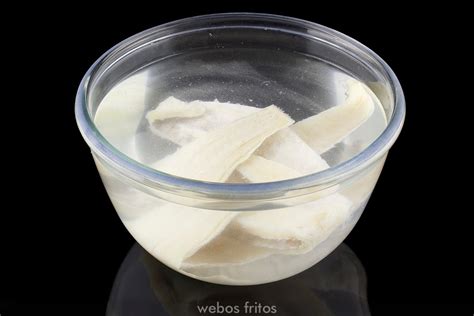
Si compras el bacalao salado, aquí te daremos unos consejos para que le elimines toda la sal. El proceso de desalar el bacalao requiere paciencia y atención. Poner el bacalao salado en remojo en abundante agua fría durante al menos 24 horas. Suelo dejarlo 48 horas, no me gustan las cosas muy saladas. Cambiar el agua 3 ó 4 veces como mínimo cada día. Para hacerlo, primero elimina la capa de sal que lo cobre con agua abundante. Después, llena un bol de agua fría y coloca el bacalao en el con la piel en la parte inferior. A continuación ponlo en la nevera y cambia el agua cada 20 minutos. ¿cómo desalar bacalao se te hace un mundo?, ¿te lías con las horas que tienes que tenerlo en remojo?, ¿con las veces que tienes que tirar el agua salada?, ¿si ésta es fría o caliente? para desalar el bacalao, llena un bol grande con agua fría y pon el bacalao salado en un recipiente tipo colador. llena de agua un bol y coloca en él el colador con la piel hacia arriba. una vez en el frigo, calcula que tendrás que tenerlos en remojo durante 24-36 horas. durante este tiempo tendrás que hacer cambios de agua cada 8 horas y, una vez hayan pasado las -como máximo-, 36 horas lávalos por última vez con agua bien fría. Escurrir el bacalao desalado y secarlo bien con papel de cocina.
El bacalao desalado y secado se prepara para el relleno. Poner en el vaso los ajos, el aceite y la cayena. Programar 6 minutos, temperatura varoma, velocidad 3 1/2. Incorporar el bacalao y la pimienta. Colocar la mezcla en un bol y dejar que enfríe. Al enfriar, coge cuerpo y consistencia.
Otras Preparaciones Tradicionales del Bacalao
La brandada antigua llevaba únicamente bacalao, ajo y aceite. Ahora se añade leche o nata para suavizar el sabor del aceite. Hacer la receta de manera tradicional es como hacer una mahonesa como la hacía mi abuela, a mano, echando el aceite a poquitos y sin dejar de remover... Cod brandade is an emulsion of confit cod with olive oil, sometimes with potato, sometimes without. This version is perfect for piquillo peppers because their intense flavor complements the delicacy of the brandade.
Los Pimientos de Piquillo: El Contenedor Perfecto
Este pimiento rojo es muy popular en la gastronomía española, sobre todo en las zonas de navarra, la rioja y país vasco. este pimiento no puede faltar en recetas tan populares como son las patatas a la riojana, el marmitako o el sukalki vascos. pero, ¿sabes de donde proviene el curioso nombre de pimiento choricero? este pimiento es, por un lado, un ingrediente esencial en la producción artesanal de muchos embutidos, como es el propio chorizo. pero, alrededor de esta hortaliza hay muchas costumbres, como es el propio proceso de secado, ya que esta técnica es una de las más antiguas conocidas y aplicadas en el tratamiento de alimentos. así, los pimientos unidos en ristras se cuelgan de las paredes de las casas de campo de los campos riojanos, navarros y vascos para que se sequen al aire. su única protección es de la lluvia, para evitar que ésta eche a perder los pimientos. sin embargo, también podían secarse al amparo del hogar en las cocinas grandes, de amplias chimeneas de los caseríos y casas campestres de la zona.
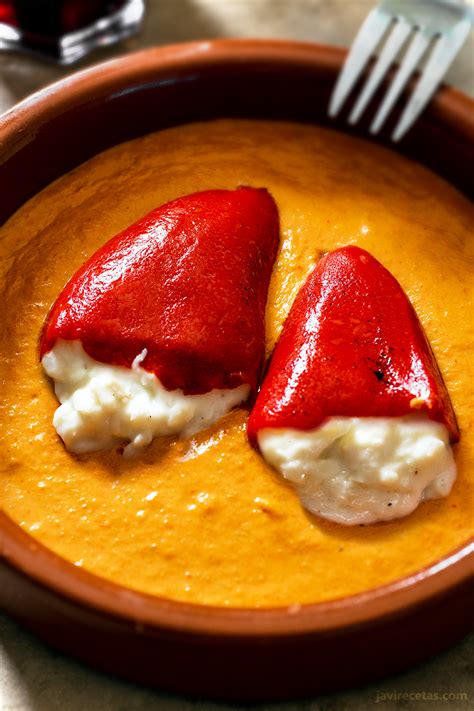
Para hacer la receta, mejor vamos por partes, como Jack (El Destripador). Filetea los dientes de ajo y sofríelos en 8 cucharadas de aceite de oliva con el fuego de medio a bajo. Ve adicionando los piquillos. Sálalos y cocina por 10 minutos. Trocea el pimiento rojo y la otra cebolla. Póchalos en 5 cucharadas de aceite de oliva a fuego bajo por 5 minutos. Entonces adiciona el vino blanco, 1 taza del agua en que bañaste el bacalao y la nata. Bate un poco de perejil con 1/4 de taza de aceite de oliva. Ya tienes todo listo.
Selección de Pimientos
Not all peppers work equally well for stuffing, and choosing wisely is the first step to a perfect recipe. The classic and gourmet option. Generous main dish. Our recommendation: if you want the authentic version, go straight for canned piquillo peppers (from Lodosa if you can). They are already roasted and peeled, ready to stuff. If you prefer a more generous portion or want to roast the peppers at home, oven-roasted red bell peppers are your best alternative. A trick few mention: you can combine both. Use piquillos for an elegant appetizer presentation and roasted red peppers for the main course.
La Elaboración del Relleno
The most common version mixes flaked cod with a thick béchamel sauce. Thick béchamel: the key is for it to be denser than usual. We need the filling not to escape from the pepper. Flaked cod: we want cod flakes, not large pieces. Flake it with your hands or a fork after lightly poaching it in olive oil with garlic. Cod/béchamel ratio: 60% cod and 40% béchamel. If you add more béchamel, the cod gets lost. It is essential to start with well-desalted cod. Excess salt ruins the balance with the béchamel.
Relleno con Bechamel
This is the complete recipe with the béchamel version, which is the most accessible and yields the best results for most cooks. Prepare the cod: in a pan with olive oil, poach the sliced garlic over low heat until it begins to brown. Add the flaked cod and cook for 3-4 minutes, stirring, until it loses its raw appearance. Sauté the onion: in the same pan, add a little more oil if necessary and sauté the chopped onion over medium-low heat for 8-10 minutes, until transparent and sweet. Make the béchamel: in a saucepan, melt the butter over medium heat. Add the flour all at once and stir with a whisk for 2 minutes (to remove the raw flour taste). Gradually add the milk, stirring constantly, until you get a thick, lump-free béchamel. Mix the filling: incorporate the cod with the onion into the béchamel. Mix well. The texture should be firm: if it falls off the spoon too easily, let it thicken for a couple more minutes over the heat. Stuff the peppers: using a small spoon (or a pastry bag for more cleanliness), stuff each piquillo pepper. Do not overfill them; let the filling occupy the pepper without breaking it.
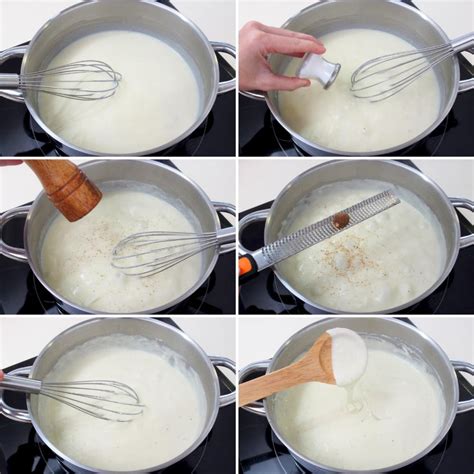
En una sartén con aceite pochamos una cebolla a fuego muy lento.Cuando esté bien pochado le echamos el bacalao en trocitos y cocinamos un par de minutos, removiendo bien para que se mezclen bien los saboresLe añadimos la harina, mezclamos y le vamos echando la leche poco a poco sin parar de remover. Rectificamos el punto de sal Lo echamos en un cuenco o bandeja para que se enfríe.
Relleno tipo Brandada
The brandade version (confit cod emulsified with oil and milk) is even more traditional in some areas. You can also make a filling simply of flaked cod poached with onion, chopped hard-boiled egg, and a drizzle of oil.
La Salsa y el Horneado
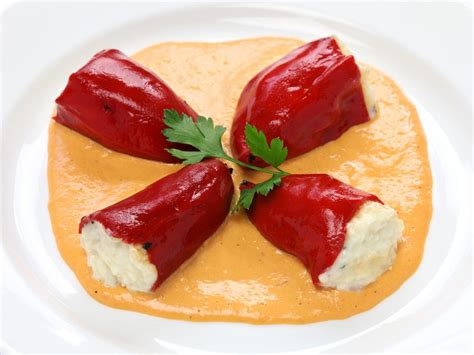
Prepare the sauce: blend the extra peppers with the cream and olive oil until a homogeneous sauce is obtained. Assemble and bake: preheat the oven to 180 °C (350 °F). Serve: let rest for 5 minutes out of the oven (the filling will be very hot).
Opciones de Salsa
The piquillo pepper and cream sauce included in the recipe is the most classic, but there are alternatives worth exploring. Blend 4-5 piquillo peppers with 200 ml of cream and a tablespoon of olive oil. It's silky, has a beautiful color, and complements without competing. Crushed tomatoes sautéed with onion, garlic, and a touch of sugar. More rustic, more substantial. Works especially well with green stuffed peppers, where the sweetness of the tomato balances the bitterness of the pepper. Reduce 100 ml of txakoli (or dry white wine) by half in a saucepan. Add 200 ml of cream and let it thicken for 5 minutes. A touch of white pepper and it's ready. For the more adventurous: sauté onion with rehydrated choricero pepper, add tomato and a little broth. Blend and strain. This sauce has body, complexity, and a spectacular deep red color. A tip: don't drown the peppers in sauce. Serve a base on the plate, place the peppers on top, and add a drizzle over them.
Horneado Perfecto
180 °C (top and bottom heat): this is the standard temperature. 15-20 minutes. 200 °C (if you want to gratin): for the last 3-5 minutes, increase to 200 °C with the broiler on. Do not exceed 20 minutes: if the filling is already cooked (as in this recipe), the oven only heats and melts. Clay or ceramic dish: retains heat better and allows serving directly at the table. Sauce at the base: pour half of the sauce into the dish before placing the peppers. Mandatory resting: 5 minutes out of the oven. The béchamel filling retains a lot of heat, and biting into it straight out of the oven will burn you.
Consejos Adicionales y Variantes
If you don't want to turn on the oven, you can heat the stuffed peppers in a wide pan with a lid. Pour the sauce, place the peppers, cover and cook over low heat for 10 minutes. One of the best things about cod-stuffed peppers is that they can - and in many cases, should - be prepared in advance. Prepare the filling and stuff the peppers the day before. Store them in a dish covered with plastic wrap in the refrigerator. The next day, you only have to prepare the sauce (or heat it if you also made it beforehand), pour it, and bake. Without sauce: freeze the stuffed peppers on a tray separately. Once frozen, store them in bags or containers. With sauce: it can also be done, but the cream sometimes separates when thawing. Thaw: in the refrigerator the night before. Oven at 160 °C (325 °F), 10-15 minutes covered with aluminum foil (now yes, so they don't dry out). Microwave: works, but the texture suffers. This ability to prepare in advance makes stuffed peppers a perfect dish for dinner parties. Everything ready beforehand, just bake and serve.
Bacalao Fresco vs. Salado
Yes, but the result changes. Cod that has gone through the salting and subsequent desalting process has a firmer texture and a more concentrated flavor than fresh or frozen cod.
Porciones y Presentación
As an appetizer, 3 peppers per person is the standard measure. As a main course, between 4 and 5. If you serve them as a tapa, 2 per person is enough.
Solución a Problemas Comunes
The most common causes: filling too hot (wait for it to cool), rough handling (use a small spoon, not a large one), or poor quality peppers with very thin skin. A trick: use a pastry bag with a wide nozzle. Insert the nozzle through the opening of the pepper and press gently.
Maridaje de Vinos
A full-bodied white is the ideal choice. A Godello from Valdeorras, a Chardonnay aged from Navarre, or a Txakoli if you like fresher, more acidic wines. If the sauce is tomato or Vizcaína, a rosé from Navarre also works very well.
Pimientos rellenos de bacalao - Karlos Arguiñano
Oven-baked cod-stuffed peppers are proof that great dishes don't need impossible techniques or exotic ingredients. Quality peppers, good cod, well-made béchamel, and an oven at the right temperature. What makes this recipe special is attention to detail: the right proportion of cod to béchamel, not overcooking in the oven, choosing a sauce that complements without overpowering, and using ingredients that are up to par. If you've never made cod-stuffed peppers at home, this recipe is your perfect starting point. And remember: as with any cod recipe, the first step to an extraordinary dish begins with product selection.