La Asafoetida, también conocida como Hing, es una resina natural con un aroma potente y un sabor único que añade una profundidad umami inigualable a tus creaciones culinarias.
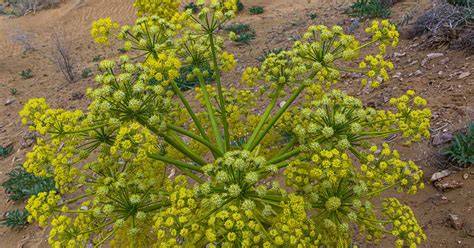
La Asafoetida es una resina seca obtenida de la raíz de varias especies de plantas del género Ferula, originarias de Asia Central y Oriente Medio. En su forma cruda, posee un aroma fuerte y sulfuroso, pero al cocinarla, se transforma mágicamente, aportando un sabor complejo que recuerda al ajo, la cebolla e incluso toques de trufa.
Esta resina granulada es muy apreciada en la cocina oriental y se emplea como condimento típico de la cocina del Medio Oriente, empleado sobre toro en curris vegetarianos, salsas, aderezos y platos de pescado.
El mal olor inicial no debe asustarnos y lo cierto es que se puede añadir una cantidad bastante grande de polvo de asofétida en las recetas, del orden de una cucharilla por cada dos personas. El resultado, será un agradable aroma a cebolla, ligeramente dulce.
Are you one of the millions of people who suffer from gluten intolerance? If so, you know how challenging it can be to find gluten-free alternatives for everyday ingredients. Gluten intolerance, also known as celiac disease, is an autoimmune disorder that affects the small intestine. When individuals with gluten intolerance consume foods containing gluten, their immune system responds by damaging the lining of the small intestine. In recent years, there has been a significant increase in the number of people following a gluten-free diet. This is due to a variety of reasons, including celiac disease, gluten intolerance, and a desire for a healthier lifestyle.
If you follow a gluten-free diet, you’ve probably asked the same question in the grocery aisle: is asafoetida gluten free? It’s a smart question because hing is rarely sold as “only one ingredient” in powdered form. To answer is asafoetida gluten free properly, you need to know one important thing: asafoetida exists in different forms. Pure asafoetida is a resin, and the resin itself does not come from wheat, barley, or rye. However, hing powder is often compounded with additional ingredients to make it easy to use, reduce stickiness, and control strength. Those added ingredients sometimes include wheat flour.
Gluten is a protein found in wheat, barley, and rye. For people with celiac disease, even small amounts can trigger a reaction. For others with gluten sensitivity, the threshold can vary. Spices are tricky because they are often processed in facilities that handle many ingredients. Even if a spice does not naturally contain gluten, it can pick up gluten through blending, fillers, or cross-contamination.
Pure asafoetida resin is a natural plant resin. It is not a grain product, so it is not inherently a gluten source. The issue usually begins when resin is turned into a usable powder. Powdered hing is often made by combining asafoetida with a carrier such as gum arabic, rice flour, corn starch, or sometimes wheat flour. The carrier prevents clumping, makes the product easier to measure, and softens the intensity.
Many traditional compound hing products use wheat flour as a binder or filler. This practice exists because wheat flour is widely available, affordable, and helps create a manageable powder texture.
If you are gluten-free, you should treat the question is asafoetida gluten free as a label-reading task, not a guessing game. The safest way to answer is asafoetida gluten free for a specific product is to check the ingredient list and allergen statement. Labels may use different words, so look carefully. If you see “wheat flour,” “atta,” or a clear wheat mention, it is not gluten-free. Some products list “compound asafoetida” with multiple ingredients. In those cases, don’t assume. Check every listed ingredient.
Even when ingredients are gluten-free, manufacturing can introduce risk. Shared equipment, shared mixing lines, or shared packing areas can create trace contamination. For highly sensitive consumers, “may contain traces of wheat” can be a serious concern.
Many gluten-free consumers prefer resin because it is less likely to contain flour fillers. However, resin can still be processed, packed, or handled in mixed facilities. Also, resin is very strong, sticky, and harder to dose correctly.
If you are using hing in cooking, remember it is powerful. You only need a tiny amount in hot oil during tempering. Because you use so little, some people assume it won’t matter. But for celiac disease, even small amounts can matter.
When you’re selecting a product and asking is asafoetida gluten free, focus on three checks: ingredients, allergen statement, and brand transparency. If you buy online, zoom into the image and read the ingredients carefully. If you buy in-store, take a few seconds to read the fine print.
Hing quality can vary in aroma intensity, blending style, and carrier choice. If you are gluten-free, consistency matters because you want the same ingredient profile every time you reorder.
A frequent misunderstanding is believing that because hing is a plant product, it must always be gluten-free. That’s not true for many powders. Another misunderstanding is thinking that “natural” automatically means gluten-free. “Natural” is not a gluten standard.
If you have celiac disease, dermatitis herpetiformis, or severe gluten reactions, avoid products with unclear labels, avoid “may contain wheat” warnings, and prefer verified gluten-free products. If you are mildly sensitive, you may still choose to avoid wheat-containing hing to reduce symptoms.
So, is asafoetida gluten free? Pure asafoetida resin is not a gluten grain, but many powdered hing products are compounded with carriers, and some carriers include wheat flour. The safest approach is simple: read the ingredient list, check allergen statements, and choose products that clearly state gluten-free status if you need strict avoidance.
The Tassyam journey doesn't just stop at individual bottles. We're all about the big picture, weaving gluten-free into the fabric of our facilities. Recognising the potential for cross-contamination within shared processing facilities with separate processing lines and very rigorous quality checks. Tassyam has established a dedicated gluten-free zone.
For those who seek the essence of hing in its most unaltered form, Tassyam offers Laxmi Chand Hing varieties. These 100% pure asafoetida varieties, devoid of any sort of additives, embodies the soul of this ancient spice. Experience the unparalleled intensity of its aroma, the nuanced depth of its flavour, and the confidence of knowing you're indulging in nature's unadulterated bounty. This is more than a product, it's an invitation to explore the vibrant world of flavour without limitations. With Tassyam Hingwale, your daals can sing their heartiest ballads, your curries can pirouette with spice, and your taste buds can do a gleeful jig. So, open your kitchens, cast off the gluten shadows, and let the aroma-filled adventure begin!
La Asafoetida es muy potente, por lo que se utiliza en pequeñas cantidades. En polvo: Una pizca (aproximadamente ¼ de cucharadita o menos para una receta para 4 personas) suele ser suficiente. Añadir al aceite o ghee caliente al inicio de la cocción para que su sabor se desarrolle.
Mejor forma de uso: añade la asafetida al inicio de la receta, tostándola unos segundos en aceite caliente o ghee antes de incorporar el resto de ingredientes.
Perungayam como denominación a la asofetida o asafoetida, planta originaria de Irán, donde se cultiva principalmente junto a Afganistán.
This product allows those with celiac disease or gluten intolerance to enjoy the flavours of specially Indian cuisine without worrying about any adverse reactions.
La Asafoetida, también conocida como Hing, es una resina natural con un aroma potente y un sabor único que añade una profundidad umami inigualable a tus creaciones culinarias. En gastronomía se utiliza especialmente en curries, dals (platos de legumbres), papadoms, salsas, salteados de verduras, arroces especiados, guisos, platos con pescado y en multitud de recetas vegetarianas y veganas.
Dosificación: es muy concentrada; utiliza una pequeña pizca (aprox.
Coste del envío: GRATIS para pedidos de más de 80€.
SIN GLUTEN | Consejos para evitar la contaminación cruzada en casa de un celíaco (cocina sin gluten)
| Pregunta | Respuesta |
|---|---|
| ¿La asafoetida pura contiene gluten? | No, la resina pura de asafoetida no es un producto de trigo y no contiene gluten de forma natural. |
| ¿Por qué muchos polvos de asafoetida contienen gluten? | A menudo se mezclan con aglutinantes o rellenos como harina de trigo para facilitar su manejo y dosificación. |
| ¿Qué debo buscar en el etiquetado si sigo una dieta sin gluten? | Busca la lista de ingredientes y la declaración de alérgenos. Evita productos con "harina de trigo", "atta" o advertencias de "puede contener trazas de trigo". |
| ¿Es la asafoetida en resina una opción más segura para dietas sin gluten? | Generalmente sí, ya que es menos probable que contenga harinas como relleno, pero aún existe riesgo de contaminación cruzada durante el procesamiento. |
| ¿Qué tan importante es la pureza de la asafoetida para las personas con enfermedad celíaca? | Para la enfermedad celíaca, incluso pequeñas cantidades de gluten pueden desencadenar síntomas o daño intestinal. |
tags: #asafoetida #tiene #gluten